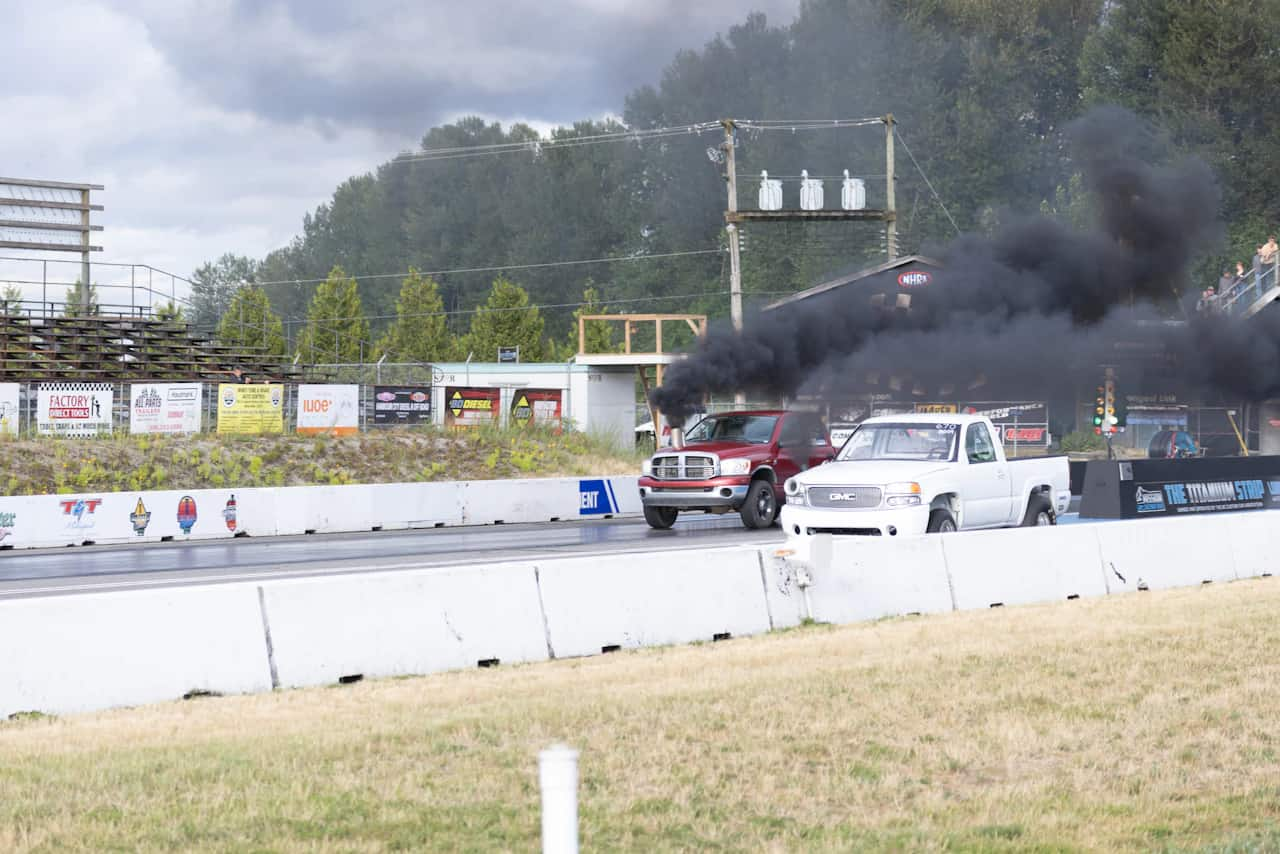
It’s one of those sights that makes any driver’s stomach drop: smoke pouring out of the exhaust. This isn’t ideal, but understanding the colour of the smoke and what to do next makes all the difference between a swift resolution and ordering an Uber while watching your truck get towed.
And that is why we asked our team at Truck Zone the most common reasons our engine is smoking and what you need to do next to avoid expensive breakdowns.
Black Smoke: Too Much Fuel in the Combustion Chamber
Black exhaust smoke is one of the most common issues in heavy-duty trucks. It typically means your engine is burning more fuel than it can properly combust.
In a diesel engine, combustion requires the right balance of air and fuel. When that balance gets thrown off (usually because there’s too much fuel or not enough air), you’ll see thick black smoke leaving your exhaust.
Common Causes of Black Smoke
Clogged Air Filter
Your engine needs a steady flow of clean air to burn fuel efficiently. If your air filter becomes clogged with dirt and debris, it restricts airflow to the combustion chamber. Without enough air, fuel can’t burn completely, resulting in unburned carbon that leaves the exhaust as black smoke.
Faulty Fuel Injectors
Fuel injectors spray atomized diesel fuel directly into the cylinder during the intake process. If they become worn, clogged, or stuck open, they may inject too much fuel or spray unevenly. This disrupts combustion, creating excess soot in the exhaust.
Turbocharger Issues
Your turbocharger pushes additional air into the engine to improve combustion and increase power. When a turbo fails or leaks boost pressure, the engine suddenly receives less air.
Less air means incomplete combustion and more black smoke!
What You Should Do
If you see black smoke:
- Inspect and replace your air filter
- Check for boost leaks or turbocharger problems
- Have your fuel injectors tested
Ignoring the issue can reduce fuel economy (have you seen the price of diesel in Alberta lately?) and eventually damage your engine.
White Smoke: Unburned Fuel
White smoke from diesel engine exhaust usually indicates fuel that didn’t ignite properly during combustion.
Unlike black smoke, which contains carbon soot, white smoke is often vaporized fuel or coolant.
Common Causes of White Smoke
Cold Engine Conditions
On cold mornings, a small amount of white smoke during startup is normal. Diesel engines rely on compression heat for ignition, and cold temperatures can delay that process.
Faulty Glow Plugs
Glow plugs heat the air inside the cylinder to help the fuel ignite during startup.
If one or more glow plugs fail, the fuel-air mixture may not ignite properly, causing white smoke until the engine warms up.
Injector Timing Issues
Incorrect fuel injection timing can cause fuel to enter the cylinder too early or too late. When timing is off, combustion becomes incomplete, producing white smoke.
Coolant Leaks
If coolant leaks into the combustion chamber (often due to a damaged head gasket), you may see thick, sweet-smelling white smoke.
This is a serious issue and requires immediate attention from a professional diesel engine mechanic!
What You Should Do
If white smoke persists:
- Test the glow plug system
- Inspect fuel injector timing
- Check for coolant leaks
A bit of white smoke when your engine starts up is normal, but if it persists, it should never be ignored, as it can lead to catastrophic engine damage.
Blue Smoke: Burning Engine Oil
If you notice blue smoke from your diesel engine, it usually means engine oil is entering the combustion chamber and burning with the fuel.
Oil should remain in the lubrication system, where it protects internal components like pistons, bearings, and crankshafts from friction and heat.
When oil leaks into the cylinders, it burns and creates blue-tinted exhaust.
Common Causes of Blue Smoke
Worn Piston Rings
Piston rings seal the combustion chamber and keep oil from entering the cylinders. Over time, these rings can wear down, allowing oil to pass into the chamber during the compression stroke.
Valve Seal Failure
Valve seals keep oil from leaking down the valve stems into the combustion chamber. If these seals deteriorate, oil may seep into the cylinder and burn during combustion.
Turbocharger Oil Leaks
Your turbocharger relies on pressurized oil for lubrication. If internal seals fail, oil can leak into the intake system and eventually reach the combustion chamber.
What You Should Do
Blue smoke often indicates internal engine wear. A technician may need to:
- Perform a compression test
- Inspect piston rings
- Check turbocharger seals
Catching the problem early can prevent catastrophic engine failure.
When Smoke Appears Matters and What That Means
It’s not just the colour of the smoke that matters, but when it appears can also reveal the root cause.
- Smoke during acceleration: Often linked to turbo or injector problems
- Smoke at startup: Frequently related to glow plugs or injector timing
- Constant smoke while driving: May indicate serious engine wear
Paying attention to these patterns helps technicians diagnose the issue faster.
Preventing Diesel Engine Smoke
The best way to avoid a smoking diesel engine is through routine maintenance.
Heavy-duty engines rely on many interconnected systems, including fuel delivery, airflow, lubrication, and emissions components. If any one of these systems fails, combustion efficiency drops and smoke appears.
Regular maintenance tasks include:
- Replacing air filters
- Monitoring engine oil levels
- Servicing fuel injectors
- Checking turbocharger performance
- Following preventive maintenance schedules
Preventive maintenance helps identify small problems before they turn into costly repairs.
When to Seek Professional Diesel Repair
If your truck suddenly starts producing excessive smoke, don’t wait for the problem to worsen.
Modern diesel engines are complex machines with electronic fuel systems, emissions controls, and high-pressure injection components. Diagnosing the issue properly often requires specialized tools and expertise.
A qualified diesel technician like Truck Zone can inspect your engine, identify the root cause, and recommend the right repair before the problem leads to expensive downtime.
Quick Recap
Seeing smoke from your diesel engine can set off alarm bells, but the colour often tells the story. Black smoke typically signals too much fuel or restricted airflow. White smoke usually indicates unburned fuel or coolant leaks. Blue smoke often points to oil entering the combustion chamber.
Understanding these warning signs helps you act quickly and prevent more serious engine damage. When in doubt, a professional inspection can save you time, money, and the risk of a roadside breakdown.
%20(1).webp)
.webp)