.webp)
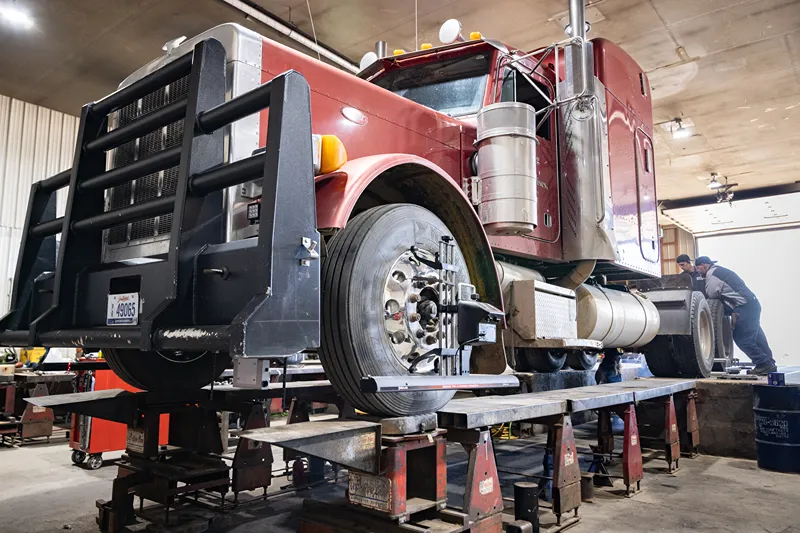
Every day, trucks enter CVIP inspection bays across Alberta and British Columbia. Many of them fail because issues could have been fixed in advance. Most failures don’t come from major breakdowns. They come from worn parts, missed inspections, and small defects that were ignored.
In the shop, we see the same problems repeat. Brake components fall out of adjustment. Suspension parts wear past limits. The lights stop working. These are not rare issues. They are common and preventable.
When CVIP inspections are on your radar, knowing what you can do to avoid a failure is important. In this article, we’re covering the five most common reasons trucks fail a CVIP inspection. It explains what inspectors check and what actually gets flagged. More importantly, it gives clear steps drivers and fleets can take to fix problems early, avoid downtime, and pass with confidence.
1. Braking system problems (most common)
Brakes are the single biggest fail item on a CVIP inspection. Inspectors check lining thickness, air system leaks, brake chamber condition, and proper slack adjuster function. Worn linings, cracked chambers, or an obvious air leak will cause the truck to fail on the spot.
What brake lining depth triggers a fail on CVIP?
Inspectors look for minimum lining thickness per provincial regs; excessive scoring, missing hardware, or cracked drums also fail. Keep records and replace linings before wear limits are reached.
2. Tires, rims, and wheel security
Tire tread, sidewall cuts, and rim integrity are critical on a CVIP inspection. Inspectors look for tread depth, exposed cords, mismatched sizes, and bent or cracked rims. Loose or missing wheel nuts are an immediate failure. Torque and inspect studs regularly.
Tire condition also affects handling, braking, and fuel efficiency, so even minor defects can raise concerns during inspection. Inspectors will check for uneven wear patterns that may point to alignment or suspension issues.
Proper tire inflation matters just as much, since under- or over-inflated tires can lead to premature failure. In addition, ensure all wheel components are clean and free of debris so cracks, corrosion, or damage are easy to spot during routine checks.
3. Lighting and electrical faults
Lighting is simple but costly when neglected. A CVIP inspection checks headlights, tail lamps, turn signals, marker lights, and reflectors for operation and correct mounting.
Corroded connectors, loose wiring, or missing reflectors often result in failure; keep spares and test lights during pre-trip checks.
4. Steering, suspension, and chassis condition
Play in steering, worn tie rods, broken leaves, or damaged hangers will fail a CVIP inspection. Inspectors look for excessive free play, torn boots, loose or missing fasteners, and cracked mounts.
Regular greasing, torque checks, and quick replacements of worn bushes prevent a failed report.
What steering wear will cause a CVIP fail?
Excessive free play in the steering box, torn tie rod boots with play, or loose pitman/relay arms will fail. Inspect pivot points and measure play; replace worn components before inspection.
5. Air systems, compressors, and leaks
Air loss beyond acceptable limits, or faulty governors and safety valves, will trigger a CVIP inspection failure. Inspectors test build and drop rates, governor cut-in/cut-out, and look for audible leaks.
Repair or isolate leaking fittings, and service compressors and air dryers to keep system pressure within spec.
Quick Mentions
How do you Document Repairs for the Inspector?
Keep a short service note with the date, odometer reading, parts changed, and who signed off. When an inspector asks about recent repairs, present the note. A clear service trail helps when marginal items are borderline and shows good maintenance practice to the inspector.
Paperwork, VIN, and safety gear
Beyond hardware, inspectors will check vehicle ID, registration, valid plates, and required safety equipment. Missing seat belts, expired registrations, or absent fire extinguishers can turn a mechanical pass into an overall fail. Keep documents organized and current.
Technician tips for shop pre-checks
Use a calibrated air gauge for build/drop tests. Measure brake lining thickness and log values. A short pre-inspection by your shop tech the day before an appointment dramatically reduces re-test rates.
Pre-inspection checklist you can use
- Check brake linings and chambers for wear and leaks.
- Walk wheels: torque nuts, inspect rims, and gauge tires.
- Test every light and carry spares and connectors.
- Listen for air leaks and test compressor behavior.
- Verify VIN and registration paperwork are inside the cab.
Carry a short printed checklist in the cab and run it before heading to the CVIP yard. It saves headaches and downtime.
Schedule Your CVIP Check
Bad brakes, worn tires, non-working lights, poor steering or suspension, and air-system leaks cause most CVIP inspection failures. Inspect and fix these items before you arrive to avoid re-tests, fines, and downtime.
Book a pre-inspection at your local Truck Zone shop. We’ll run the checks, document repairs, and give you a pass-ready vehicle. For regional tips and a list of what inspectors look for, read our CVIP preparation checklist next.
.webp)