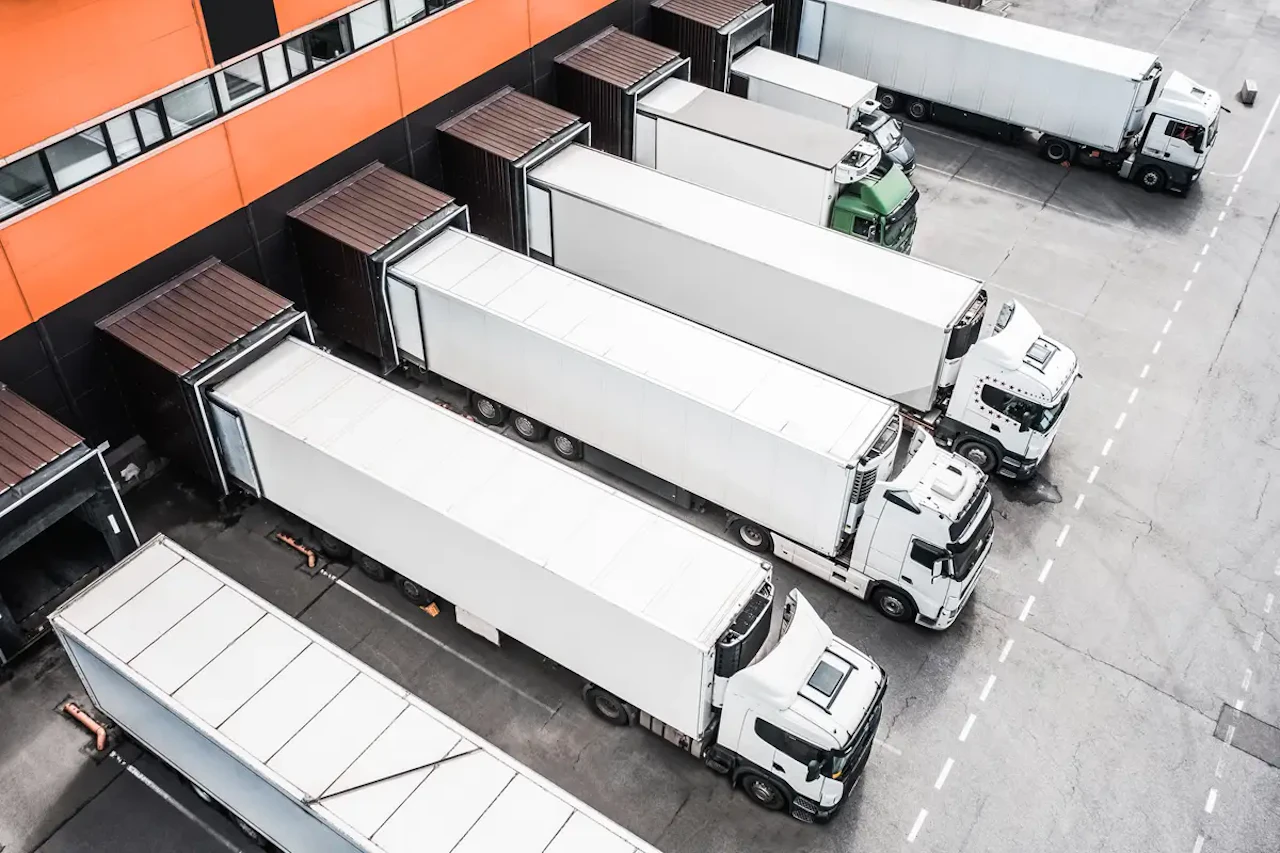
A costly trailer breakdown usually doesn't start with a major failure. More often, it begins with a small defect that slips past inspection, remains in use a bit too long, and gradually puts extra stress on connected parts.
This pattern is especially common in heavy-duty operations, where trailers must endure high mileage, shifting loads, rough roads, temperature changes, and stop-and-go traffic with minimal issues. When small repairs are ignored, it can lead to unexpected downtime, out-of-service violations, damaged freight, or far more extensive repairs than initially needed.
For fleets and owner-operators in Edmonton, AB; Lloydminster, AB; Bonnyville, AB; and Nanaimo, BC, the key lesson is simple: addressing small trailer issues early prevents costly disruptions. A trailer might still roll, stop, and haul cargo while critical systems silently degrade beneath the surface.
Why Overlooked Repairs Become Expensive
Trailer systems are interconnected. An improperly adjusted brake can lead to longer stopping distances and increased heat-related damage. Worn suspension parts can alter load distribution and accelerate tire wear.
Neglecting wheel ends can lead to heat and lubricant problems that escalate into bearing damage, seal failures, and roadside breakdowns. Since each defect affects multiple trailer components, ignoring a single issue can quickly lead to higher repair costs.
There is also a compliance aspect. In North America, commercial vehicle enforcement depends on federal rules and out-of-service standards to detect safety issues. Problems with brakes, wheel ends, and other vital systems can cause inspection failures, leading to equipment removal until repairs are made. In this context, a repair that appears minor at the yard can quickly turn into a scheduling, operational, and financial challenge.
Brake Repairs That Gradually Fall Out Of View
Out-Of-Adjustment Brake Components
Brake-related problems are frequently neglected in trailer maintenance because their deterioration tends to be slow rather than sudden. In air brake systems, proper functioning relies on multiple components working together, such as service chambers, pushrods, slack adjusters, S-cams, brake shoes, drums, and air lines. If these parts wear unevenly or become improperly adjusted, the trailer might still stop, but not with the necessary level, balance, or consistency for safe use.
Automated slack adjusters are frequently misunderstood. While they help keep brake adjustment proper, regular inspections remain necessary. Bendix highlights that slack adjusters directly affect brake drag, lining longevity, drum durability, and maintenance expenses. Consequently, even minor adjustment issues can impact the entire brake system. As heat accumulates and parts wear, what starts as a small adjustment can escalate into a more extensive trailer brake service.
Air Leaks And Chamber Issues
Air leaks are a common brake-related issue that operators often postpone fixing. A minor leak at a fitting, chamber, or line might not appear urgent if the trailer continues to move normally, but brake performance relies on a steady air supply and pressure retention.
If the leak worsens, it can reduce system effectiveness, cause inconsistent braking, or lead to inspection compliance problems. In colder conditions, managing moisture becomes crucial, as water in the air system can impair performance and shorten component lifespan.
Brake Repairs That Commonly Get Deferred
The following repairs are frequently postponed longer than they should be:
- Air brake inspection for pushrod stroke, chamber condition, and visible leaks.
- Slack adjuster and foundation brake inspections.
- Brake shoe and drum wear inspections.
- Airline, fitting, and chamber replacement when leakage is detected.
- Follow-up diagnosis after signs of brake drag or uneven braking appear.
Wheel-End Problems That Escalate Fast
Bearing Wear And Lubrication Issues
Few trailer failures are as expensive as wheel-end issues. Bearings depend on correct lubrication, contamination prevention, and regular checks. When these are neglected, friction increases, temperatures climb, and damage can progress from wear to failure unexpectedly.
SKF and STEMCO both emphasize the importance of inspection, proper lubricant condition, and consistent maintenance to prolong wheel-end lifespan and reduce unexpected downtime.
This is why trailer wheel bearing failures frequently surprise operators. The initial warning signs can appear minor:
- Elevated hub temperature
- Unusual noise
- Lubricant leakage or contamination
- Seal deterioration
- Visible end-play or looseness observed during inspection
Ignoring these signs can lead to repair costs that exceed the cost of just the bearing. A damaged wheel end might affect the hub, seal, spindle, and brake components, and may require towing or roadside assistance. Hence, wheel-end repair exemplifies how a minor maintenance problem can escalate into a significant operational expense.
Seal Failures That Do More Damage Than Expected
Seal problems often receive less focus than bearing problems, but they are closely linked. A leaking seal can decrease lubricant protection, allow contamination, and weaken the entire wheel-end assembly.
When lubricant contacts brake surfaces, the issue worsens because it affects braking performance. Operators may see seal leaks as just a mess rather than a safety problem, but in reality, it often signals a much larger wheel-end problem.
Suspension Repairs That Hide In Plain Sight
Bushings, Hangers, And Shock Absorbers
Trailer suspension systems support weight, evenly distribute loads, and absorb road shocks. Hendrickson emphasises that inspection and lubrication schedules should be tailored for off-road, rugged, or extreme conditions.
This is especially important in Western Canada, where challenging route conditions are common. Ignoring suspension wear can lead to compromised handling stability, misaligned components, and poor ride quality.
Common suspension issues that are often overlooked include worn pivot bushings, damaged hangers, loose hardware, and weak or leaking shock absorbers. While these may not immediately disable a trailer, they can lead to progressive wear patterns.
Irregular tire wear, axle tracking issues, and increased structural stress can develop over time. Essentially, addressing a minor trailer suspension repair early on can prevent a cascade of more costly repairs later.
Uneven Tire Wear As A Mechanical Warning Sign
Uneven tire wear is often mistaken for just a tire problem. However, wear patterns usually indicate issues with suspension, wheel-end components, alignment, or brake drag.
Replacing tires without diagnosing the mechanical cause only temporarily resolves the problem, as the underlying defect remains. For fleet maintenance, abnormal tire wear should be seen as diagnostic evidence of broader mechanical issues, rather than an isolated problem.
Electrical Repairs That Are Easy To Dismiss
Trailer electrical issues are often deprioritised because they don't always prevent the trailer from moving. Reduced visibility amplifies the danger, turning a minor electrical fault into a significant safety concern for the driver and others on the road.
However, lighting, wiring, connectors, and grounding are vital for safety and compliance. A loose connection, a corroded plug, or a flickering light may seem minor during the day or in the yard, but these small problems can become serious risks at night, in bad weather, or during roadside checks.
Electrical neglect often propagates. Corrosion at a single connection can affect nearby wiring, cause intermittent faults, and complicate diagnosis. When a basic wiring issue becomes a recurring problem, the effort required to identify the root cause is typically greater than it would have been if it had been addressed at the first sign of trouble.
Structural Repairs That Are Delayed Too Long
Trailer frames, crossmembers, and mounting points are often overlooked because damage tends to develop slowly. Cracks, corrosion, bolt-hole enlargement, and stress around connection points can remain in service for a while, especially if the trailer continues to load and unload normally.
-However, since trailers are constantly subjected to vibration, flex, and weight transfer, a minor structural defect can worsen if not addressed. When that happens, repair complexity and downtime increase significantly.
This is especially important in areas with heavy seasonal equipment use, rough industrial roads, or frequent stop-and-start loading. In such environments, structural integrity is more than just durability; it directly impacts reliability, influencing alignment, suspension mounting, and the lifespan of nearby components.
Why Preventive Maintenance Still Matters
The common pattern in all these repairs is straightforward: overlooked defects seldom remain isolated. They generate heat, vibration, drag, misalignment, contamination, or abnormal wear, and these forces spread throughout the trailer.
Therefore, preventive inspection is a crucial cost-saving measure that detects faults early, preventing service disruptions. FMCSA emphasises the importance of inspection, maintenance, and qualified brake service for commercial vehicles, while manufacturers routinely recommend scheduled wheel-end and suspension maintenance to maintain system effectiveness.
Operators in Alberta and British Columbia should implement a disciplined, preventative trailer maintenance program that prioritises repairs most prone to costly delays if overlooked.
- Brake adjustment and component wear
- Air leaks and chamber condition
- Bearing lubrication and seal integrity
- Suspension bushings, shocks, and mounting hardware
- Electrical connections, lighting, and trailer wiring
- Frame and structural defects
- Tire wear patterns that indicate deeper mechanical trouble
Practical Signs Your Trailer Needs Attention Now
If you observe any of the following, arrange a formal inspection without delay.
Brake And Air System Signs
- Longer stopping distances
- Uneven braking feel
- Audible air leaks
- Heat at the wheel end after normal operation
Wheel-End Signs
- Grease or oil around the hub
- Hot hubs
- Grinding, humming, or screeching noises
- Repeated seal problems
Suspension And Structural Signs
- Uneven tire wear
- Trailer lean or unstable ride
- Harsh rebound over bumps
- Visible bushing, hanger, or frame wear
Electrical Signs
- Intermittent lights
- Corroded connectors
- Repeated trailer harness issues
- Inspection-related lighting concerns
Conclusion
The costliest trailer breakdowns often stem from repairs that seemed manageable enough for a quick trip. Common deferred repairs include trailer brake service, wheel-end work, suspension fixes, structural repairs, and electrical issues, all because the trailer still looks functional.
However, these delays can lead to expensive problems later. A trailer might still operate despite serious wear on critical systems. It's more effective to see early signs as opportunities to address issues before they worsen.
For fleets and operators in Edmonton, AB, regular inspections and prompt repairs are key to maintaining uptime, safety, and controlling long-term costs.
Truck Zone offers comprehensive fleet trailer repair and heavy-duty trailer maintenance, helping identify hidden issues early, before they lead to expensive downtime. Schedule a professional trailer inspection at one of our locations to address minor issues before they lead to serious breakdowns.
%20(1).webp)
.webp)