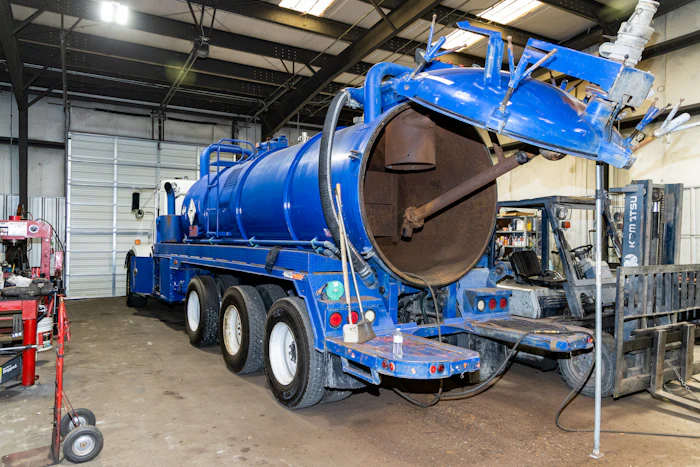
Oilfield trucks in Lloydminster need more frequent preventive maintenance because harsh operating conditions cause components to wear faster than in typical highway applications. Regular servicing helps prevent costly breakdowns, improves reliability, and keeps heavy-duty trucks operating safely throughout the Lloydminster oilfield region and surrounding Alberta worksites.
Whether you're hauling drilling equipment, transporting fluids, or supporting oilfield operations throughout Lloydminster and the surrounding Alberta and Saskatchewan oil patch, your trucks experience far more stress than vehicles running standard highway routes. Staying ahead of wear is one of the most effective ways to maximise uptime and avoid costly failures.
Oilfield Conditions Accelerate Wear
Oilfield work around Lloydminster places exceptional demands on heavy-duty trucks. Vehicles frequently travel between highways, gravel roads, lease roads, and remote job sites where dust, mud, vibration, and uneven terrain are part of every shift.
These harsh conditions accelerate wear across multiple systems, including:
- Suspension components
- Steering systems
- Wheel bearings
- Tires
- Brakes
- Driveline components
- Air systems
Routine preventive maintenance helps identify developing issues before they become expensive roadside breakdowns or major workshop repairs.
Long Idle Times Put Extra Strain on Engines
Many oilfield trucks spend hours idling while loading equipment, operating PTO-driven systems, waiting on site, or supporting drilling operations.
Although the truck isn't moving, the engine continues accumulating operating hours.
Extended idling can contribute to:
- Increased soot buildup
- Faster engine oil degradation
- EGR contamination
- DPF loading
- Turbocharger wear
- Reduced fuel efficiency
For many Lloydminster fleets, engine-hour-based servicing provides a more accurate maintenance schedule than mileage alone.
Gravel Roads Increase Suspension and Steering Wear
Lease roads throughout the Lloydminster region are considerably rougher than paved highways.
Constant vibration and repeated impacts can accelerate wear on:
- Leaf springs
- Air suspension systems
- Shock absorbers
- Kingpins
- Tie rods
- Drag links
- Wheel alignment
Small suspension problems can quickly lead to uneven tire wear, steering instability, and increased repair costs if inspections are delayed.
Dust Contaminates Filters Faster
Dust generated on oilfield access roads can significantly reduce the lifespan of engine air filters and cabin filters.
Restricted airflow may cause:
- Reduced engine performance
- Higher fuel consumption
- Increased turbocharger workload
- Greater engine wear
Frequent filter inspections help keep engines breathing properly throughout busy operating seasons.
Heavy Loads Create Additional Brake Wear
Oilfield trucks often haul heavy equipment, water tanks, pipe, machinery, and service trailers throughout Lloydminster and nearby work sites.
The additional weight places greater demand on braking systems, leading to faster wear of:
- Brake linings
- Brake drums
- Brake shoes
- Slack adjusters
- Air chambers
- Air lines
Routine brake inspections improve both safety and compliance while reducing the risk of expensive emergency repairs.
Extreme Alberta Weather Affects Every System
Lloydminster experiences freezing winters and warm summer temperatures that challenge heavy-duty equipment year-round.
Cold weather can affect:
- Batteries
- Engine starting systems
- Coolant performance
- Air brake moisture
- Fuel systems
Summer heat places additional stress on:
- Cooling systems
- Radiators
- Hoses
- Belts
- Air conditioning systems
Seasonal preventive maintenance helps prepare trucks for changing operating conditions before problems develop.
Oilfield Fleets Can't Afford Unexpected Downtime
A breakdown on a remote lease road interrupts deliveries, delay projects, affect crews, and increase operating costs across an entire fleet.
Preventive maintenance helps reduce the likelihood of unexpected failures involving:
- Cooling systems
- Charging systems
- Fuel systems
- Air brakes
- Driveline components
- Electrical systems
Identifying worn components during scheduled servicing is almost always less expensive than emergency roadside repairs.
Maintenance Should Match Operating Conditions
Every fleet operates differently. Trucks running daily oilfield routes around Lloydminster often require more frequent servicing than those operating primarily on highways.
Maintenance schedules may include more regular:
- Oil and filter changes
- Brake inspections
- Suspension inspections
- Fluid analysis
- Air system inspections
- Cooling system checks
- Diagnostic scans
Adjusting service intervals based on actual operating conditions helps maximise vehicle reliability and component life.
Keep Your Lloydminster Oilfield Fleet Working
Oilfield trucks face some of the toughest operating conditions in Western Canada. By scheduling preventive maintenance around real-world operating demands instead of relying solely on mileage, you can reduce downtime, improve reliability, and extend the life of your equipment.
At Truck Zone, we provide preventive maintenance and heavy-duty truck repair for owner-operators and commercial fleets working throughout Lloydminster, AB, helping keep oilfield equipment ready for the next job.
Evergreen FAQs
How often should oilfield trucks receive preventive maintenance?
Oilfield trucks typically require more frequent inspections than highway-only vehicles because they experience heavier workloads, rougher roads, and longer engine idle times. Maintenance intervals should be based on both mileage and engine hours to catch wear before it leads to costly repairs.
Why do oilfield trucks wear out faster?
Heavy loads, gravel lease roads, dust, extended idling, and extreme weather all place additional stress on engines, brakes, suspension, cooling systems, and driveline components. These demanding conditions accelerate wear and increase the likelihood of unexpected failures.
Can preventive maintenance reduce fleet downtime?
Yes. Routine inspections allow technicians to identify worn or failing components before they cause roadside breakdowns. Preventive maintenance helps improve reliability, reduce repair costs, and keep trucks available for scheduled work.
What systems should be inspected most frequently on oilfield trucks?
Suspension, brakes, steering, tires, cooling systems, air systems, engine fluids, filters, and driveline components should all be inspected regularly. These systems experience significant wear when trucks operate on rough roads and under heavy loads.
.webp)
%20(1).webp)