One often overlooked factor in maintaining truck performance is proper wheel balancing. It’s a simple yet critical element that affects everything from fuel efficiency to driver comfort.
Why Wheel Balancing Matters
Proper wheel balancing is essential for heavy-duty trucks because they haul heavy loads over long distances, placing considerable strain on their wheels and suspension systems. When wheels are out of balance, it can lead to issues such as:
- Uneven tire wear
- Vibration in the cabin
- Steering problems
What is Wheel Balancing?
Wheel balancing involves adjusting the weight distribution on a wheel and tire assembly to ensure that it rotates smoothly at high speeds. In a balanced wheel, the weight is evenly distributed, allowing it to spin without causing excessive vibration. Mechanics achieve this by adding small counterweights to offset any imbalance in the tire or rim.
The Consequences of Poor Wheel Balancing
Ignoring proper wheel balancing can lead to a series of cascading issues that affect both the truck and its driver.
Uneven Tire Wear: Uneven tire wear is one of the most immediate effects of improperly balanced wheels. When a wheel is out of balance, certain areas of the tire tread make more contact with the road, leading to accelerated wear. This not only shortens the tire's life but also increases replacement costs.
Reduced Fuel Efficiency: Out-of-balance wheels create unnecessary resistance, forcing the engine to work harder to maintain speed. This extra effort results in higher fuel consumption. For fleets, poor fuel efficiency translates into higher operational costs, a big concern given that fuel expenses account for a significant portion of total costs in the trucking industry.
Increased Vibration and Driver Fatigue: An unbalanced wheel can cause intense vibrations that reverberate through the steering wheel and the entire cabin. Over time, this can lead to driver fatigue, impacting both safety and productivity. For long-haul drivers, maintaining a comfortable cabin environment is crucial to avoid fatigue and remain alert.
Premature Wear on Suspension Components: The vibrations from unbalanced wheels don’t just affect tires; they can also damage suspension components like shocks, struts, and ball joints. The suspension system is designed to absorb bumps and provide a smooth ride, but constant vibrations can accelerate wear and tear on these parts.
When to Balance Your Wheels
Regular preventive maintenance is key to keeping heavy-duty trucks in top shape. Generally, experts recommend wheel balancing:
- Whenever new tires are installed: New tires are not always perfectly balanced straight from the manufacturer.
- After a flat repair: Patching or repairing a flat tire can alter its balance, especially if a significant area was affected.
- At regular intervals: Given the heavy loads that trucks carry, routine wheel balancing every 10,000 to 12,000 miles is a good practice.
How Wheel Balancing is Done for Heavy-Duty Trucks
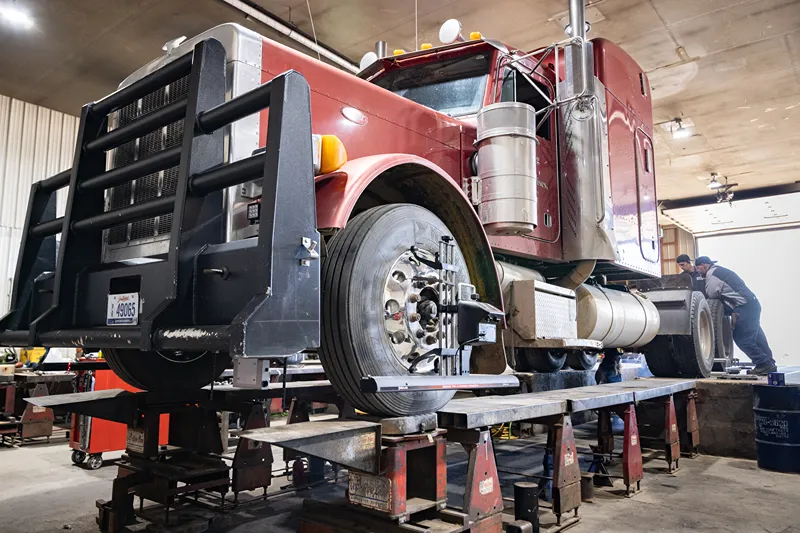
Balancing wheels on a heavy-duty truck is a bit different from balancing car tires. Specialized wheel balancing machines are used, designed to handle the larger, heavier wheels found on trucks. Here’s a basic rundown of the process:
- Mount the wheel on a balancing machine: The machine spins the wheel at a high speed and detects any imbalance by measuring the vibration and weight distribution.
- Apply counterweights: Based on the data, small metal counterweights are placed on specific areas of the rim. This evens out the weight distribution.
- Re-test: Once weights are added, the wheel is spun again to confirm that it’s balanced. This ensures that any imbalance is corrected.
Static vs. Dynamic Balancing
There are two main types of balancing:
- Static Balancing: Focuses on balancing the wheel in one plane, typically for smaller imbalances.
- Dynamic Balancing: Accounts for imbalances on both sides of the wheel and is more comprehensive. It’s the preferred method for heavy-duty trucks, as it provides a smoother and more stable ride.
Tips for Maintaining Proper Wheel Balance
Proper wheel maintenance involves more than just balancing. Here are a few additional tips to help extend the life of your tires and keep your truck performing its best.
Monitor Tire Pressure: Underinflated or overinflated tires can alter the balance and lead to uneven wear. Checking tire pressure regularly helps maintain even weight distribution and prevents balance issues.
Rotate Tires: Tire rotation helps distribute wear evenly across all tires. Regular rotation reduces the risk of uneven wear patterns, which can lead to balance problems over time.
Check Alignment: Wheel alignment and balance go hand in hand. If the wheels are out of alignment, even a balanced tire can wear unevenly. Misalignment often results in steering issues and can pull the truck to one side, making handling more difficult.
Regular Inspections: Scheduling regular inspections for wheel components, like wheel bearings and suspension, is crucial. Damaged components can lead to imbalances and contribute to wear and tear on the tires and other parts.
The Cost Savings of Proper Wheel Balancing
While wheel balancing may seem like a minor task, it offers substantial cost savings in the long run. Proper balancing helps prevent excessive tire wear, reduces fuel consumption, and minimizes the risk of damage to suspension and steering components. These savings add up, particularly for fleet owners who manage multiple trucks and face high maintenance expenses.
Invest in Proper Wheel Care
Proper wheel balancing is one of those maintenance steps that often go unnoticed but can have a profound impact on truck performance and safety. By addressing wheel balance regularly, you help prevent unnecessary expenses and extend the life of your tires and suspension systems. For a smoother ride, better fuel efficiency, and lower overall maintenance costs, prioritizing wheel balancing is a no-brainer for any heavy-duty truck operator.
If you require wheel balancing in Western Canada, contact Truck Zone today!
.webp)
%20(1).webp)